


Cold Plunge 101: How Do I Use a Cold Plunge?
Cold plunging is one of the simplest wellness tools you can add to your routine, and it's earned its hype. If you've been curious about trying a cold plunge but aren't sure where to start, this guide walks you through everything: what it actually does, how to do it safely, and how to build it into a routine that works for your life.
What Is a Cold Plunge, Really?
A cold plunge is exactly what it sounds like: full or partial submersion in cold water, typically somewhere between 39°F and 55°F, for a short, controlled period of time. It's a modern name for a practice that's been around for centuries, from Scandinavian ice bathing to Japanese misogi rituals. What's changed is the science backing it up and its accessibility. You no longer need a frozen lake in your backyard. Studios (like Electric RAYS) now offer temperature-controlled plunge tubs that make the whole experience clean, easy, consistent, and a lot less intimidating.
Why People Are Obsessed With It
The appeal isn't just the bragging rights (though those help). Cold exposure triggers a cascade of physiological responses that people genuinely notice in their day-to-day life:
Faster muscle recovery: Cold water constricts blood vessels, which can help flush metabolic waste and reduce exercise-induced inflammation. Read more here about cold plunge benefits for recovery and inflammation.
A real mood boost: Cold exposure spikes norepinephrine and dopamine, which is why so many people describe a plunge as an instant mental reset.
Better stress resilience: Regularly choosing to sit with discomfort trains your nervous system to stay calmer under pressure, in and out of the water.
Improved sleep quality: Many plungers report falling asleep faster and sleeping deeper, especially with evening sessions.
A jolt of energy and focus: That first minute out of the tub feels a lot like the best cup of coffee you've ever had.
How to Actually Get In (Without Psyching Yourself Out)
If you are feeling nervous before your first plunge, you might feel your mind and body resisting. Thankfully, there are a few easy steps you can take to help you get started, including:
Start with your breath. Before you even step in, take a few slow, deep breaths. Your body's instinct will be to gasp (and maybe even hyperventilate) the moment cold water hits your skin, but controlling your breath ahead of time makes that shock far more manageable.
Get in with intention, not hesitation. Slowly wading in inch by inch tends to prolong the discomfort. Committing to getting in steadily, rather than freezing at the edge, actually makes the adjustment easier.
Submerge at least to your chest. The trunk of your body holds most of the physiological benefits. If you're new, it's fine to keep your hands out of the water at first.
Breathe through the first 30 seconds. This is the hardest part. Your body will want to tense up and breathe fast. Focus on slow exhales, longer than your inhales, and let your shoulders drop.
Settle in. Once you're past that initial shock, most people find the sensation becomes tolerable, even calming, as their body adjusts.
How Long Should You Stay In?
There's no need to be a hero here. Benefits show up quickly, and staying in longer isn't automatically better.
Beginners: 30 seconds to 1 minute is a completely legitimate starting point.
Regular plungers: 2 to 3 minutes is a common sweet spot.
Experienced cold-water enthusiasts: Some push toward 5 minutes, but this isn't necessary for the benefits and should only be done once you know how your body responds.
Listen to your body over any specific number. Once you start shivering uncontrollably or your fingers and toes go numb, it's time to get out.
Getting Out: What to Do Next
What you do after the plunge matters almost as much as the plunge itself.
Dry off and layer up quickly. Your body temperature will keep dropping for a few minutes after you exit, so don't linger in wet clothes.
Let yourself shiver. Shivering is actually part of the process. It's your body generating heat and burning through brown fat stores.
Avoid a hot shower immediately after, if you can. Letting your body warm up naturally maximizes the metabolic and circulatory benefits. If you do want warmth, gentle movement or a warm (not scalding) rinse works well.
Rehydrate. Cold exposure is a genuine stressor on your system, and water helps your body recover.
Common Beginner Mistakes
A few things trip up almost everyone in their first few sessions:
Holding your breath the whole time: This ramps up the panic instead of calming it. Keep breathing.
Going straight from an intense workout without cooling down first: Give your heart rate a few minutes to settle before plunging.
Staying in far too long to "prove something": Diminishing returns kick in fast, and pushing past your limits isn't the goal.
Skipping the reentry routine: Jumping straight into your car or errands while still soaking wet and cold can leave you chilled for hours.
Plunging on an empty stomach when new to it: A light snack beforehand can help some people feel more stable.
Who Should Be Cautious
Cold plunging is safe for most healthy adults, but it isn't for everyone. If you have cardiovascular conditions, are pregnant, or have Raynaud's syndrome or another circulatory condition, talk to your doctor before jumping in. The cold shock response causes a real, temporary spike in heart rate and blood pressure, so this isn't a practice to take lightly if you have underlying health concerns.
How Often Should You Plunge?
Two to four sessions a week is a reasonable range for most people to notice real cold plunge benefits without overdoing it. Some people plunge daily, which works once your body is accustomed to it. Consistency matters more long-term. For example, a short, regular plunge routine will do more for you than one brutal, once-a-month attempt.
Make It Part of a Bigger Recovery Routine with Electric RAYS
One of the best things about cold plunging is how well it pairs with other recovery tools. A lot of people build a full contrast therapy routine by alternating a cold plunge with time in an infrared sauna, which can amplify circulation benefits and make the whole experience more enjoyable.
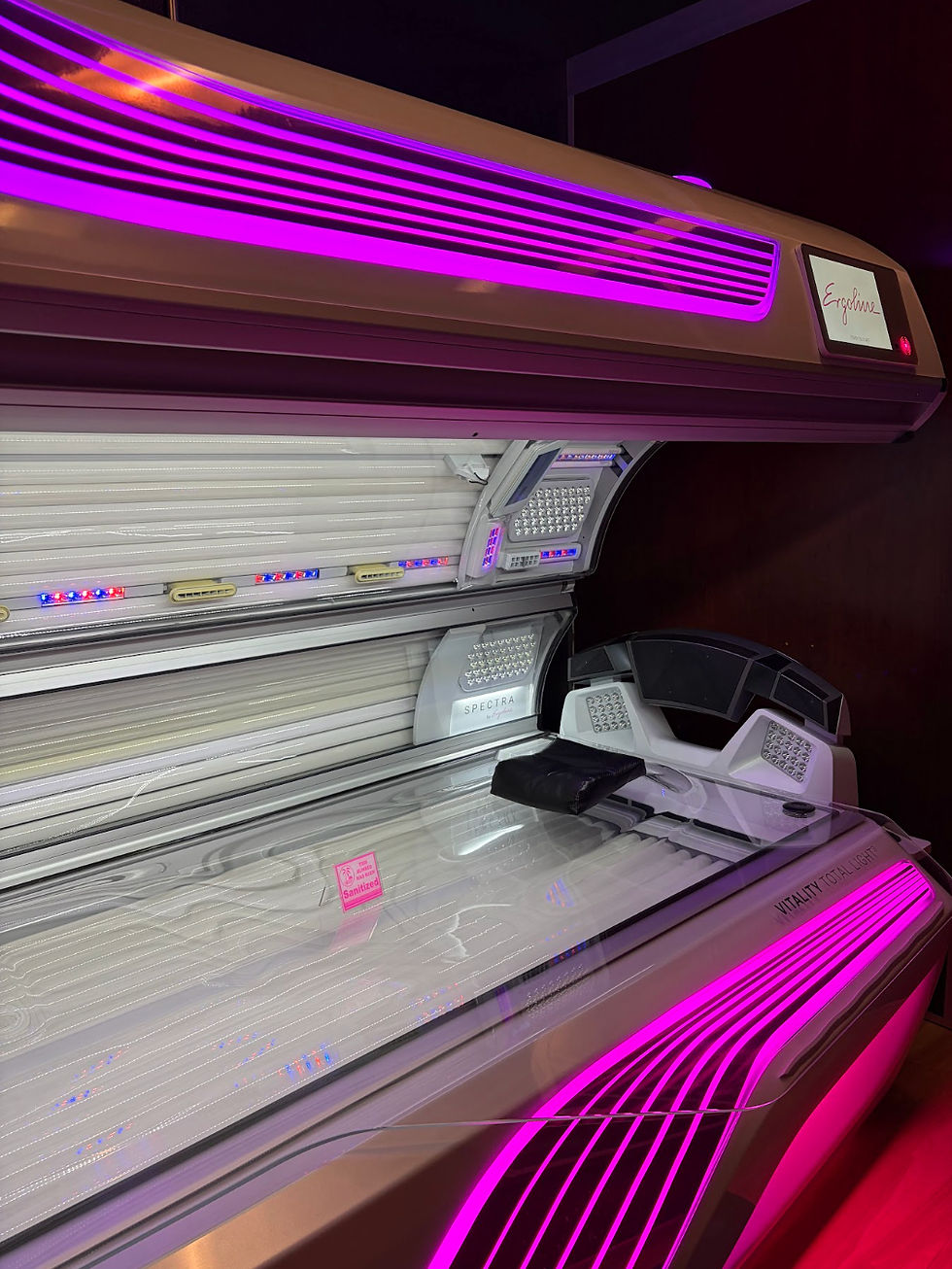
Electric RAYS Tanning & Spa studios are built for exactly this kind of full-body wellness routine. Alongside our cold plunges, you'll find infrared saunas, hydromassage, tanning, and red light therapy, all designed to work together so you can recover, de-stress, and feel your best without bouncing between five different places. If you've been on the fence about trying a cold plunge, our team is always happy to walk first-timers through it, no intimidation required.
Ready to take the plunge? Stop by your nearest Electric RAYS studio across Idaho and let us show you how it's done.


Comments